
Owners & PMsCommercial ▾
HomeownersResidential ▾
Builders & GCsNew Construction ▾
GuidesResources ▾
CompanyAbout ▾
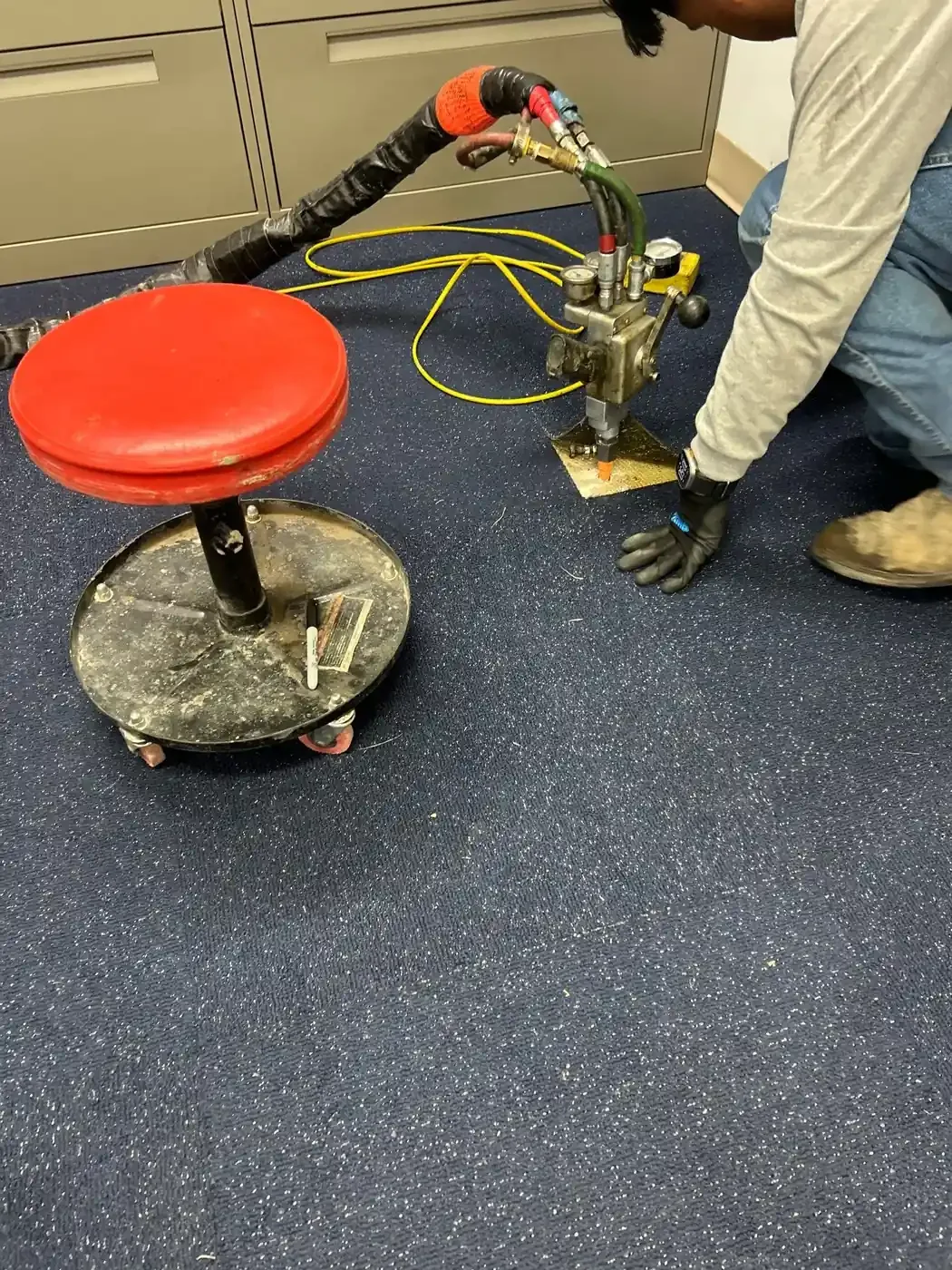
Warehouse slab foundation repair, not just surface leveling
Sunken or rocking slab panels usually mean the soil beneath has eroded, compacted, or washed out, leaving voids that grow under traffic loads. Grinding high spots or topping low ones treats the symptom. Our approach treats the support: polyurethane injection lifts settled panels and fills voids with structural foam, restoring bearing under the slab. Where movement traces to the foundation or drainage, the scope says so, because releveling a floor over an unresolved washout is money spent twice.
Built for active facilities
Related conditions we correct
Expansion joint and mastic failures, slab cracking at panel joints, dock and approach settlement, and drainage conditions feeding water under the slab. Where floors meet tilt wall panels, we assess both, because panel-line movement and floor settlement often share a cause.
Work is backed by a workmanship warranty, and terms vary by service. The scope you receive is engineered bids with the reasoning documented.

Cardinal performs this work across Dallas-Fort Worth, with larger commercial and specialty projects statewide.
Frequently asked questions
Usually hours, not days, per treated area. Polyurethane cures fast enough that most floors return to traffic the same day, and phasing keeps the rest of the facility running.
Voids from soil erosion or compaction under the slab, expansive clay moisture cycles, and drainage delivering water beneath the building. Heavy point loads from racking accelerate it.
Structural polyurethane foams are engineered for industrial bearing loads and are widely used under trafficked slabs. The injection plan is matched to your loading in the scope.
Both, or we tell you why not. If drainage or foundation movement is driving the settlement, the assessment identifies it and the scope addresses it.
Start with an engineer
Tell us about your property and we will schedule a no-obligation inspection or assessment. Your request routes to the right team: commercial, residential, or new construction.