
Owners & PMsCommercial ▾
HomeownersResidential ▾
Builders & GCsNew Construction ▾
GuidesResources ▾
CompanyAbout ▾
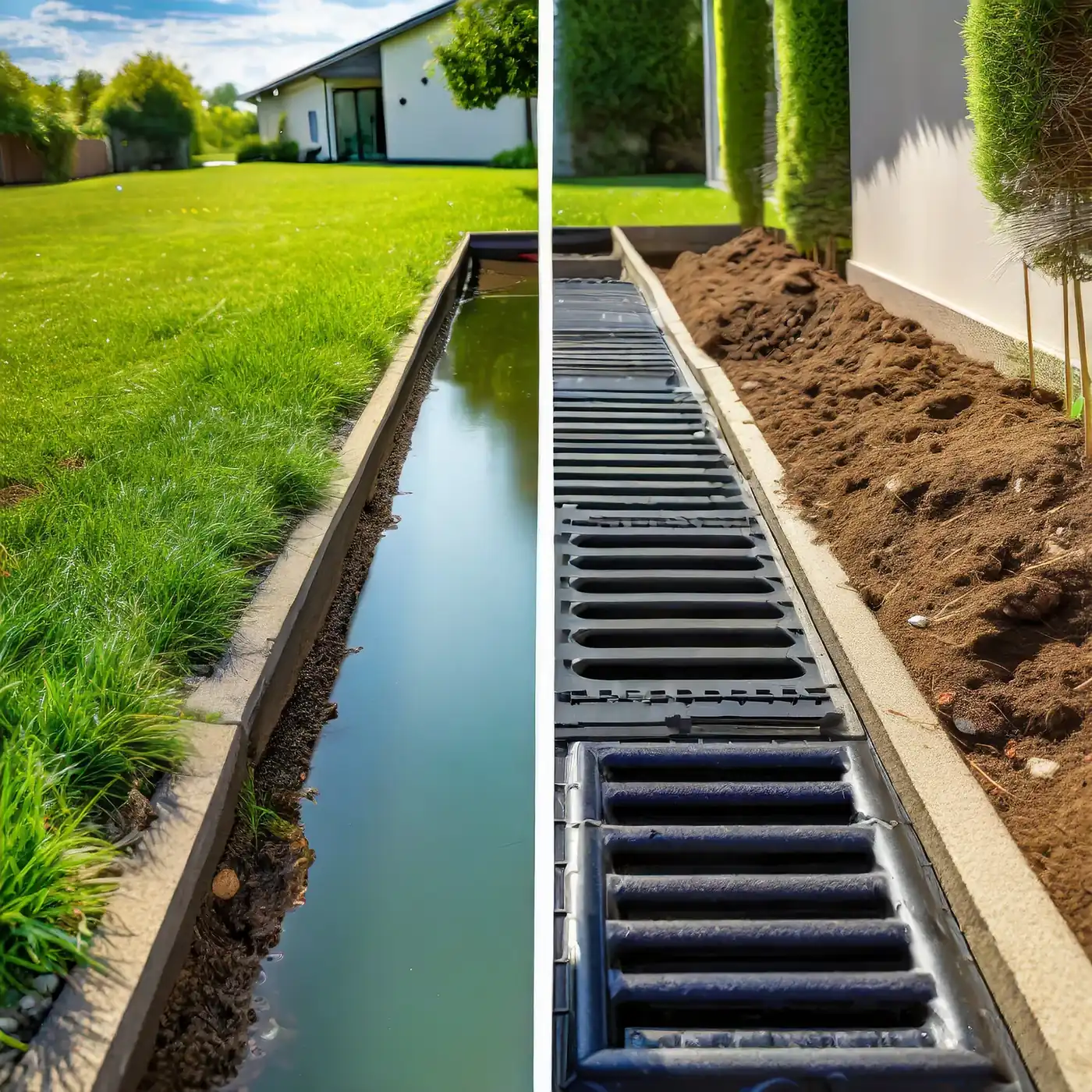
Drainage services for homes
French drains
that intercept and carry subsurface water away from the foundation
Area and surface drains
that collect standing water from yards, patios, and low spots
Drainage design
for whole-property water management, built from how your lot actually sheds water
Grading correction
so the ground slopes away from the house instead of toward it
Root barriers
where trees are drawing moisture unevenly from foundation soils
Downspout and discharge routing
so roof water leaves the property instead of pooling at the slab
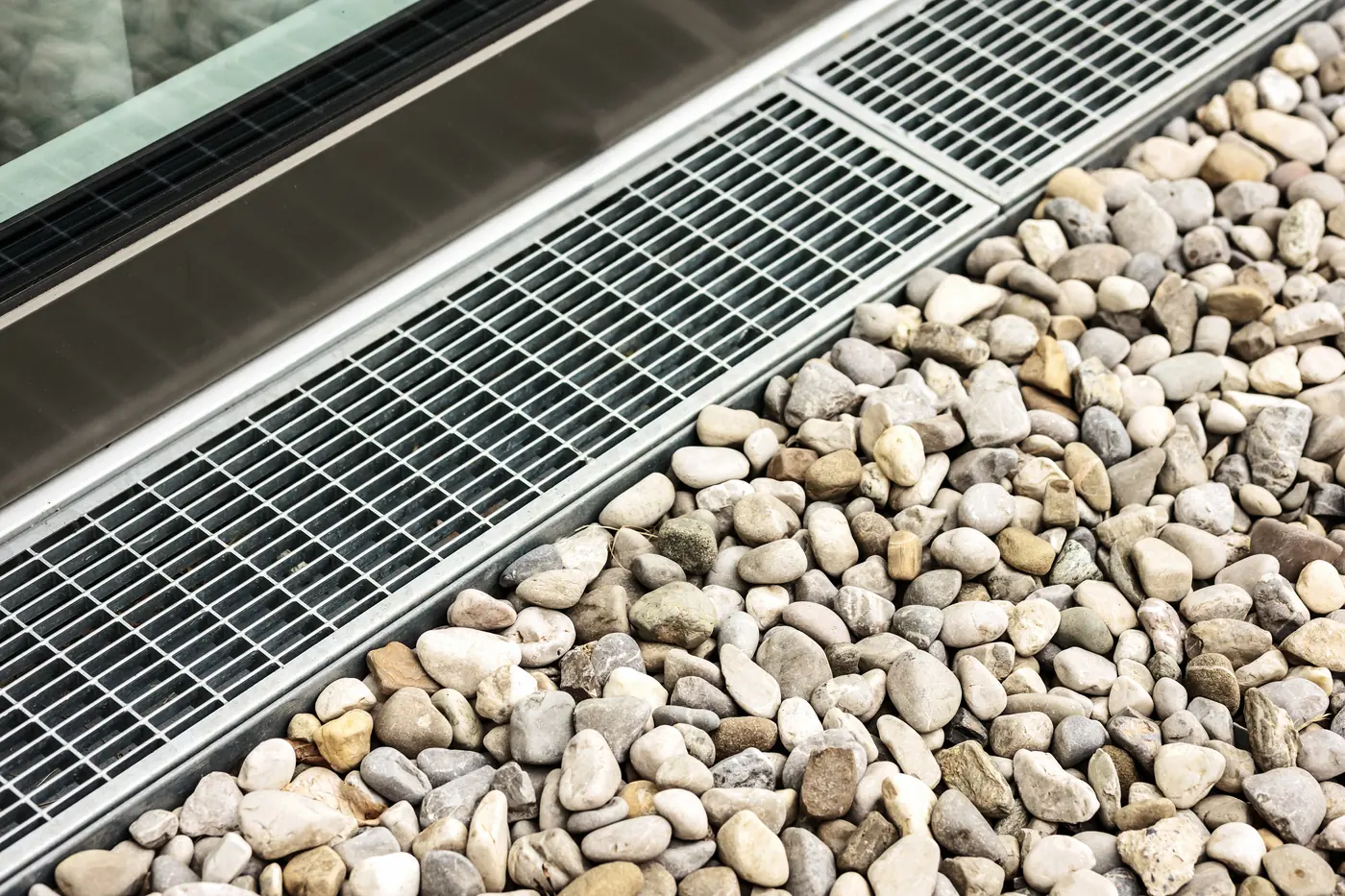
Drainage and your foundation
Water pooling at a foundation edge, a chronically damp side yard, or soil pulling away from the slab in summer are the early chapters of the cracks-and-sticking-doors story. Correcting drainage is often the highest-value work we do: it treats the cause, it costs less than structural repair, and in some cases it is the honest recommendation instead of piers. If your foundation is already showing symptoms, an inspection with mapped elevation readings tells you whether drainage correction, structural repair, or both is the right scope.
Work is backed by a transferable workmanship warranty, terms vary by service, and financing is available for residential projects.
French Drains
Subsurface interception that carries water away from the foundation before the soil saturates.
View serviceArea Drains
Surface collection for yards, patios, and low spots where water stands after rain.
View serviceRoot Barriers
Below-grade dividers that stop trees from drawing foundation soil moisture unevenly.
View serviceSump Pumps
Basins, pumps, and discharge routing for lots where gravity cannot carry the water out.
View serviceHydrostatic Testing
Diagnostic testing that tells you whether under-slab plumbing is changing your foundation soil.
View serviceCardinal performs this work across the Dallas-Fort Worth Metroplex and the Houston area.
Frequently asked questions
Standing water near the slab after rain, soil separation from the foundation in dry months, damp crawl spaces, and one side of the house moving differently than the other are the common signs. An evaluation identifies where the water is going and what it is doing.
Surface drains collect water you can see; french drains intercept water moving through the soil. Many yards need one, some need both, and the design follows where your water actually comes from.
Sometimes. When movement is early and driven by moisture imbalance, drainage correction plus monitoring can be the right scope. When structural repair is needed, drainage protects it. The inspection findings decide.
Yes. Grading and soil work are self-performed, and regrading is often part of a complete drainage design.
Start with an engineer
Tell us about your property and we will schedule a free, no-obligation inspection. Your request routes to the right team: commercial, residential, or new construction.