
Owners & PMsCommercial ▾
HomeownersResidential ▾
Builders & GCsNew Construction ▾
GuidesResources ▾
CompanyAbout ▾
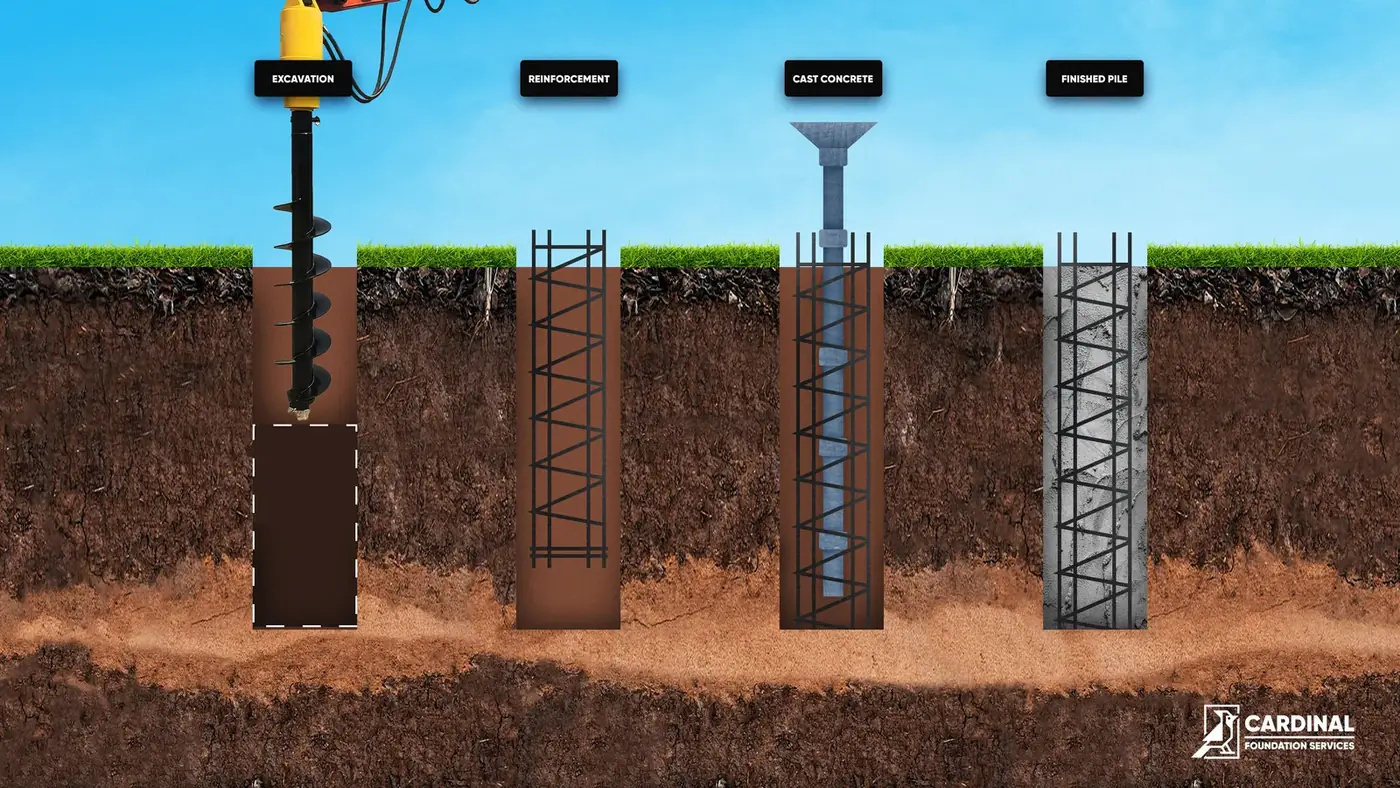
How drilled piers work
Unlike driven systems, drilled piers are constructed in the ground rather than pushed into it. The drilled shaft allows steel-reinforced concrete to be formed at a controlled depth and diameter, sized to the load above it. In stable strata below the active clay layer, that produces a high-capacity support with excellent long-term performance, which is why drilled piers are also a mainstay of new construction across Texas.
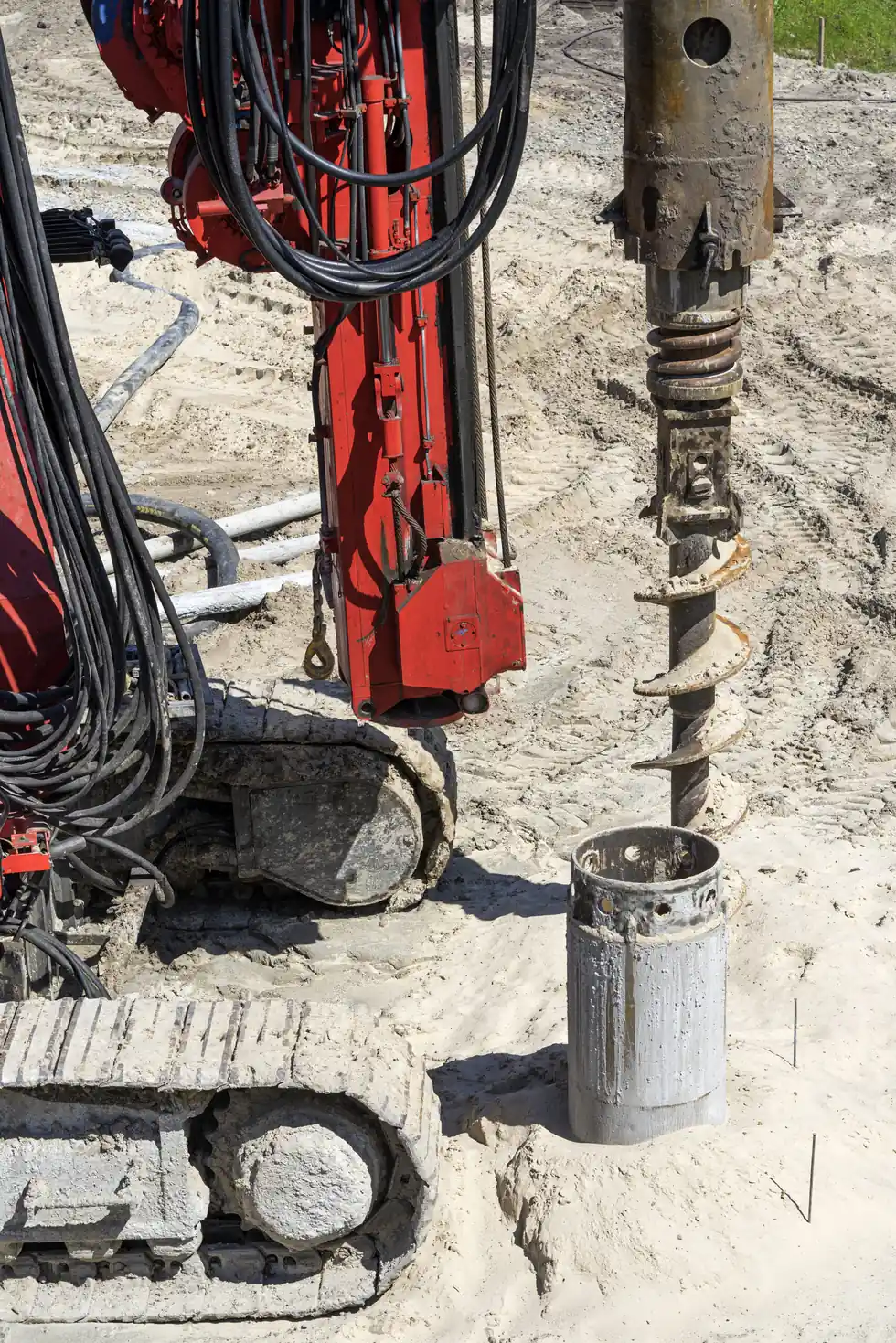
Where drilled piers fit
Drilled piers, steel piers, pressed concrete pilings, and helical piers each carry different strengths. The comparison guide walks through all of them, and the inspection determines which one your structure actually needs. Sometimes the honest finding is that you do not need piers at all.
What the inspection includes
Elevation readings mapped across the foundation so you can see what has moved, notated visual findings, and a clear recommendation. If work is recommended, the written quote arrives within one business day, financing is available, and the work carries a transferable workmanship warranty, terms vary by service.
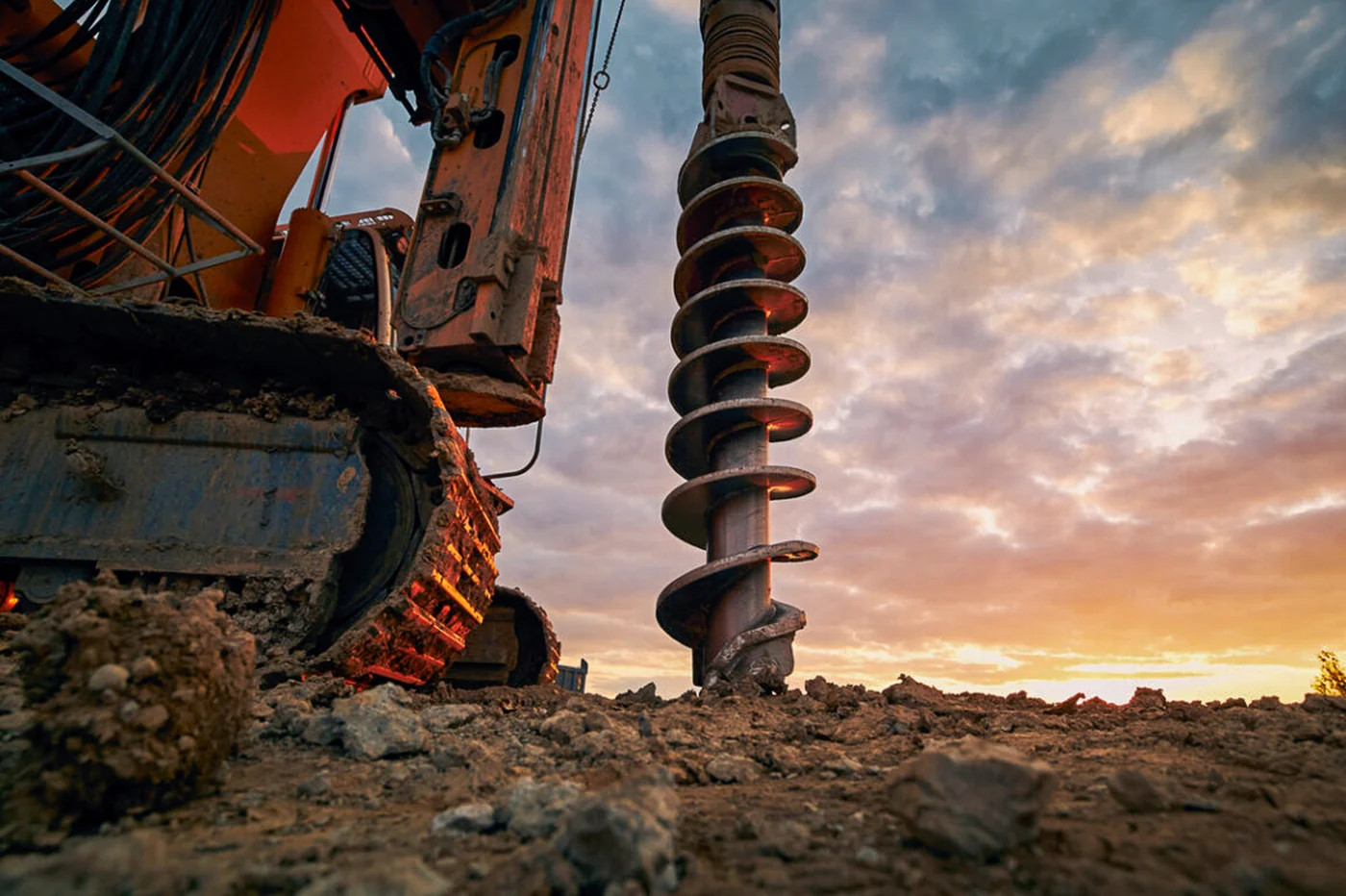
Cardinal performs this work across the Dallas-Fort Worth Metroplex and the Houston area.
Frequently asked questions
Pressed pilings are precast concrete sections pushed into the soil using the weight of the structure. Drilled piers are poured in place with steel reinforcement at a designed depth and diameter. The right choice depends on soil, load, and access.
To the depth the design calls for, set below the active soil zone wherever conditions allow. Depth is determined by soil conditions and the load being supported.
Yes, and they are frequently the best fit for exactly those structures, which need real support but not a full foundation system.
Most residential drilled pier projects run from a few days to about a week depending on pier count and access. Your written quote includes the schedule.
Start with an engineer
Tell us about your property and we will schedule a free, no-obligation inspection. Your request routes to the right team: commercial, residential, or new construction.